Exploring Nightmore: A Versatile Handwritten Font with a Sporty Edge
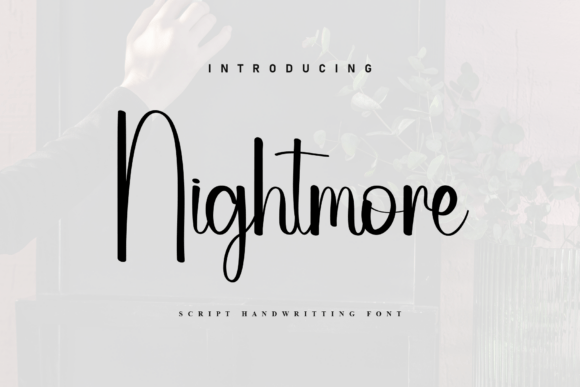
Nightmore is a unique handwritten font that captures the casual, relaxed feel of marker-drawn letters. This font stands out for its sporty and elegant aesthetic, making it an excellent choice for a wide range of design projects. Whether you're working on branding, logos, wedding supplies, greeting cards, fashion, lookbooks, or marketing promotions, Nightmore can add a touch of luxury and sophistication while maintaining a casual, approachable vibe.
What Makes Nightmore Distinct?
The key to Nightmore's distinctiveness lies in its natural, hand-drawn appearance. Unlike many other handwritten fonts that may feel overly stylized or rigid, Nightmore retains a fluid, organic quality. This makes it particularly appealing for designs that aim to convey a personal, human touch. The font's sporty and relaxed feel also sets it apart, as it can seamlessly blend into both formal and informal contexts without losing its charm.
Comparing Nightmore with Similar Options
When considering Nightmore, it's useful to compare it with other popular handwritten fonts. While many alternatives may offer a similar casual style, few can match Nightmore's balance of elegance and sportiness. For instance, some fonts might be too whimsical for professional branding, while others may lack the personal touch that Nightmore provides. Nightmore strikes a perfect balance, making it a versatile option for a variety of design needs.
Strengths and Tradeoffs
Nightmore excels in situations where a design needs to feel both luxurious and casual. Its versatility is a significant strength, as it can be used in a wide range of applications, from high-end fashion branding to more laid-back, everyday designs. However, it's important to note that Nightmore may not be the best choice for very formal or traditional settings, where a more classic or serif font might be more appropriate.
Best-Fit Situations and Limitations
Nightmore is particularly well-suited for creative and modern design projects. It works exceptionally well in branding and logo design, where a unique, hand-drawn look can help a brand stand out. Additionally, it is ideal for wedding invitations and greeting cards, where a personal, heartfelt touch is essential. However, for projects that require a more structured or traditional font, such as legal documents or academic papers, Nightmore may not be the most suitable choice.
Decision Factors for Choosing Nightmore
When deciding whether Nightmore is the right font for your project, consider the following factors:
- Project Tone: If your project requires a relaxed, sporty, and elegant feel, Nightmore is a great choice.
- Target Audience: Nightmore appeals to a broad audience, especially those who appreciate a personal, handcrafted look.
- Design Context: Evaluate whether the design context calls for a handwritten, casual style. Nightmore fits well in creative, modern, and lifestyle-oriented designs.
- Formality Level: Consider the level of formality required. Nightmore is more suited for casual to semi-formal contexts.
Practical Examples and Comparisons
For a real-world example, imagine designing a logo for a new athletic wear brand. Nightmore would be an excellent choice, as it can convey a sense of energy and movement while maintaining a sophisticated edge. In contrast, a more traditional serif font might make the brand appear too formal and less dynamic.
Another practical comparison is in the realm of wedding invitations. Nightmore can add a personal, intimate touch to the design, making the invitation feel more special and unique. A more formal script font, on the other hand, might give a more traditional and elegant feel but could lack the personal, hand-drawn charm that Nightmore offers.
Making an Informed Decision
Ultimately, the decision to use Nightmore should be based on the specific needs and goals of your project. If you are looking for a font that combines a relaxed, sporty feel with a touch of luxury and elegance, Nightmore is an excellent choice. However, if your project requires a more formal or traditional approach, you may need to explore other options. By carefully considering the strengths, tradeoffs, and best-fit situations, you can make a more informed decision that aligns with your design vision and objectives.